

Driving Low-Carbon Economic Growth through Green Buildings
- Sep 19, 2025
- 1 min read
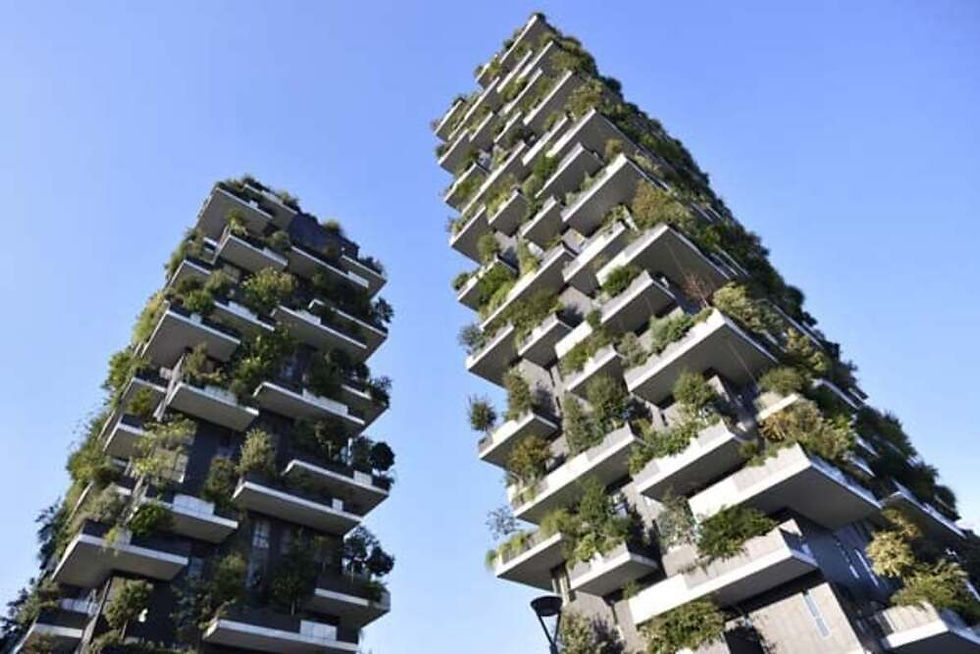
The Ministry of Public Works (PU) is strengthening the adoption of Green Building (BGH) principles across the property and construction sectors–covering both private and public buildings–to support national carbon-reduction targets and sustainable development. This initiative aligns with the PU 608 strategy, which aims to lower the Incremental Capital Output Ratio (ICOR) and boost investment efficiency in property and building sectors. According to UNEP’s 2022 Global Status Report for Buildings and Construction, buildings and construction account for about 37% of global CO2 emissions, making BGH a concrete strategy to drive low-carbon economic growth.
The government targets an emissions reduction of 31.89% independently and 43.2% with international support by 2030. To this end, the Ministry has issued technical standards for Green Buildings (BGH) and Smart Buildings (BGC) via Government Regulation No. 16/2021 and Ministerial Regulation PUPR No. 21/2021, setting goals of 25% energy conservation and at least 10% water savings. Strategies to cut operational carbon include energy efficiency and the use of renewable energy, while reducing embodied carbon involves lean construction and the use of local materials. Technologies such as Building Information Modelling (BIM) are also being leveraged to enhance efficiency and sustainability in the construction sector.
Source:


